DC Fast Charger Installation Checklist (20–60kW): An EPC Deployment Pack
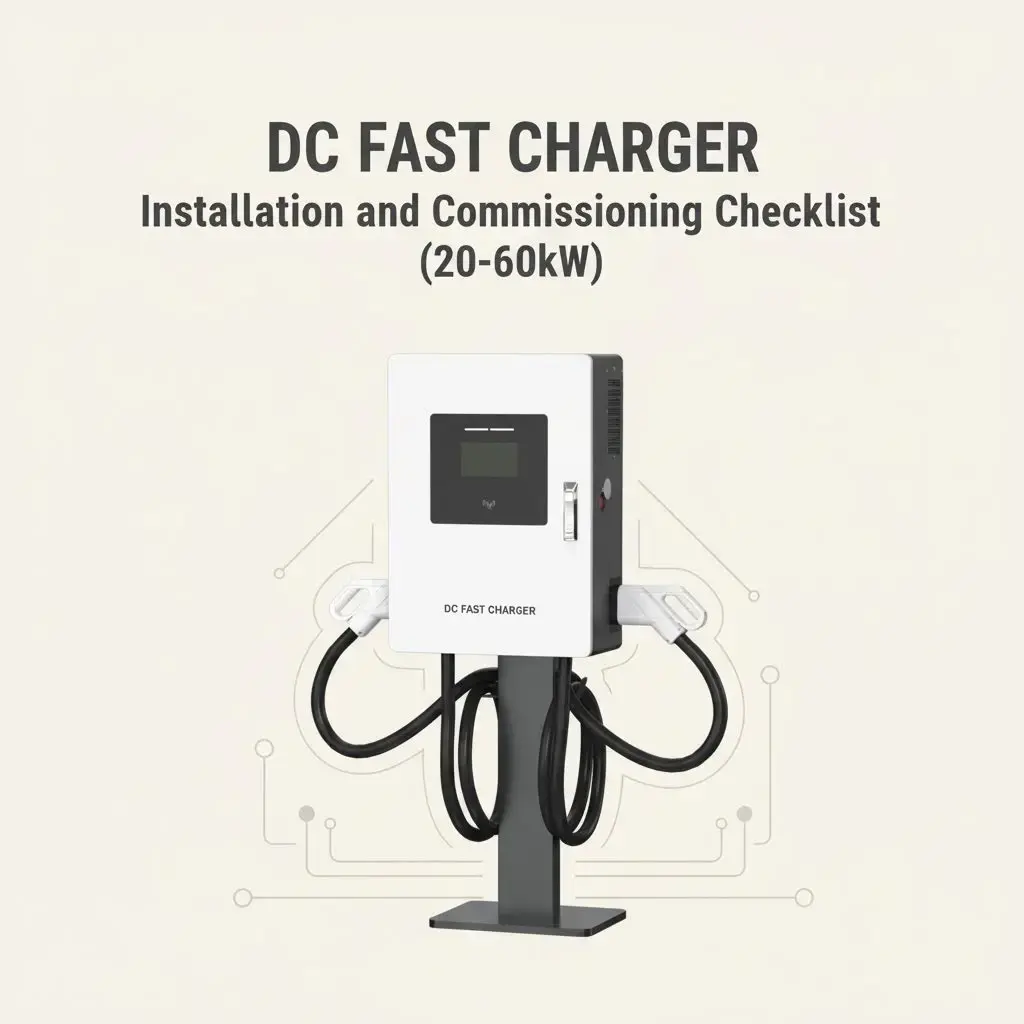
1) Scope: what this checklist covers (and what it doesn’t)
- Covers: site survey inputs, mounting & routing, protection concepts, commissioning tests, and OCPP/network handover steps.
- Does not replace: local electrical codes, AHJ requirements, and the charger’s official installation manual. Always follow your jurisdiction’s rules first.
For product context and typical compact DC fast charger parameters (20–60kW, single/dual guns, OCPP and network options), see: ETEK DC Fast EV Charging Station and EKDC1 20–60kW Compact DC Fast Charger.
2) Pre-site pack (what to confirm before sending installers)
Before anyone shows up on site, confirm these items in writing (this is where most projects save time):
- Charger configuration: 20kW/30kW single gun or 40kW/60kW dual guns; connector type (CCS2/CCS1/GB/T/CHAdeMO as needed).
- Site electrical: available 3-phase supply, distribution limitation, and expected feeder length (long runs affect voltage drop and surge behavior).
- Mounting mode: wall/post for compact units; floor mounting for larger cabinets (depends on model).
- Networking: Ethernet vs 4G vs Wi-Fi, SIM responsibility, and whether the operator requires a static IP / VPN / whitelisting.
- Operator backend: OCPP URL format, charger ID naming rule, TLS/security requirements, and commissioning contact window.
- Handover package: test report template, photo records, and as-built drawings required by the customer.
If you also deploy higher-power cabinets (60kW+ and above) and want to align expectations for floor-standing solutions and OCPP connectivity options, see: EKDC2 60–400kW DC Fast Charger.
3) Mechanical installation (mounting, clearance, cable routing)
Mechanical mistakes cause most “it worked on day 1 but fails on day 30” problems. Use this checklist:
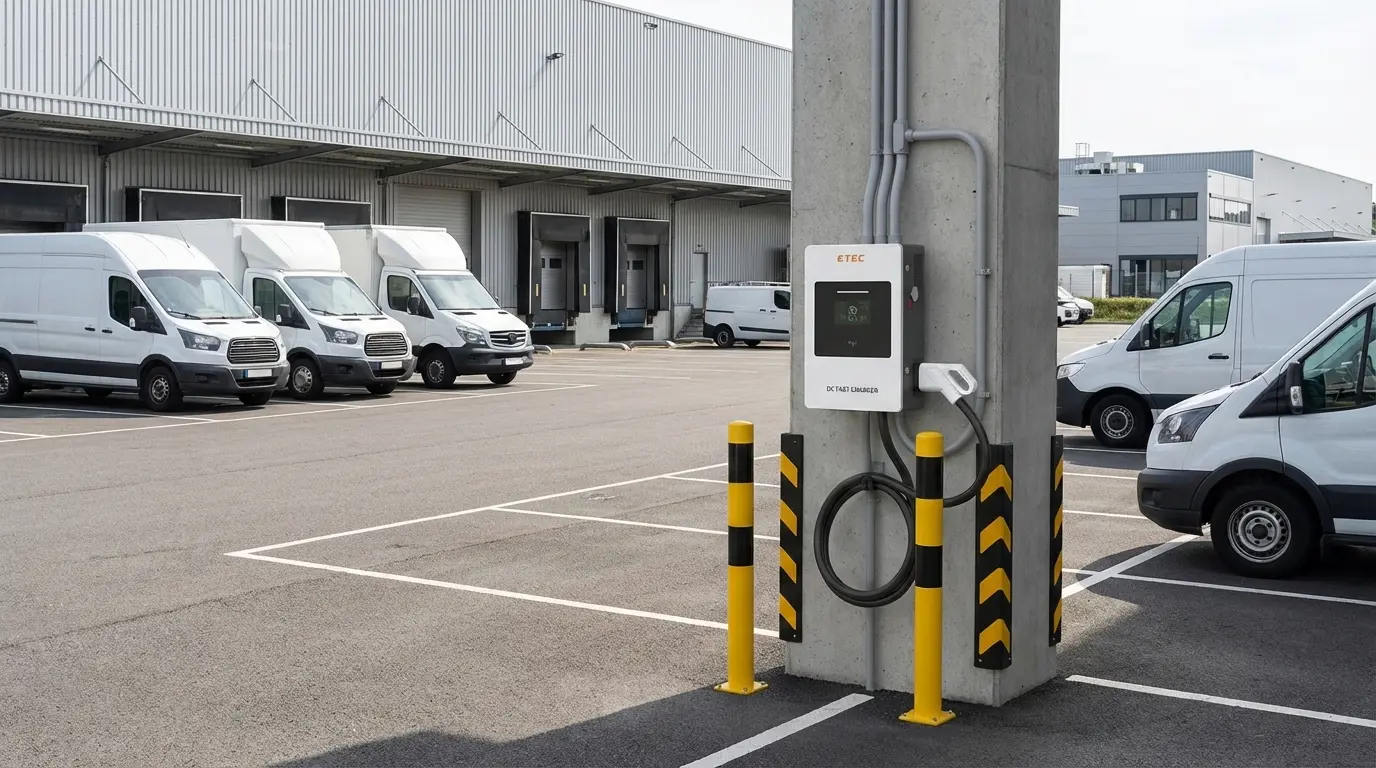
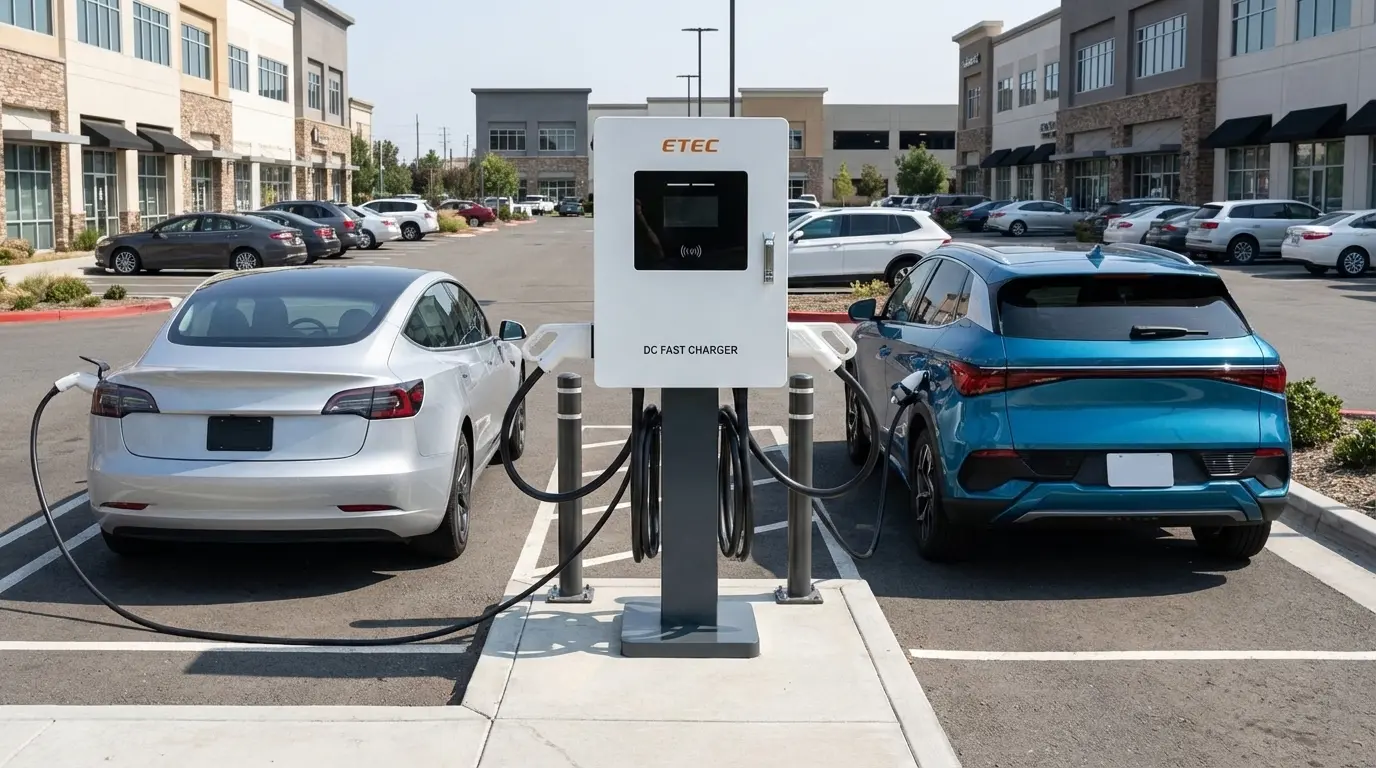
- Clearance: keep adequate working space for service access, connector reach, and ventilation.
- Impact protection: add bollards where vehicles can hit the cabinet (especially for public/commercial sites).
- Ingress protection expectations: match installation to the charger IP/IK rating and the environment.
- Cable routing: avoid sharp bends, protect conduits, and keep power cables separated from comms wiring where possible.
- Labeling: make sure emergency stop and isolator labeling is visible and durable.
4) Electrical single-line: a simple reference architecture
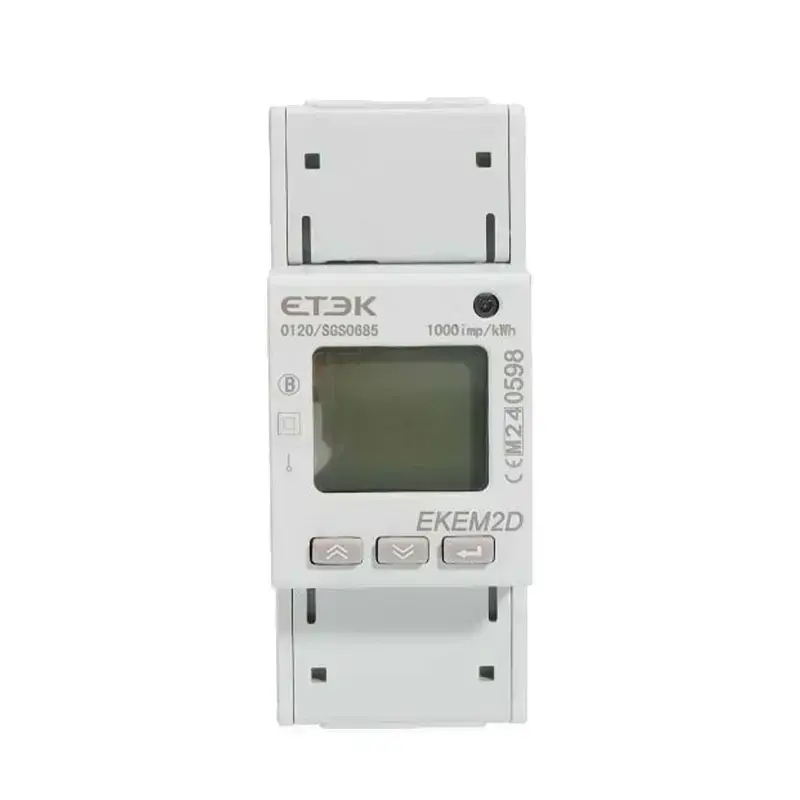
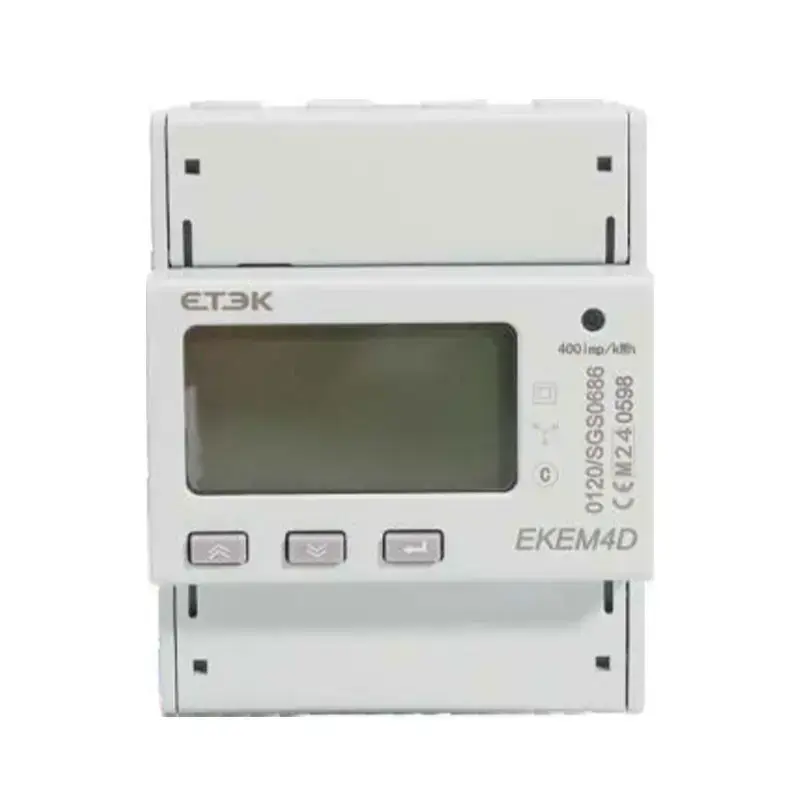
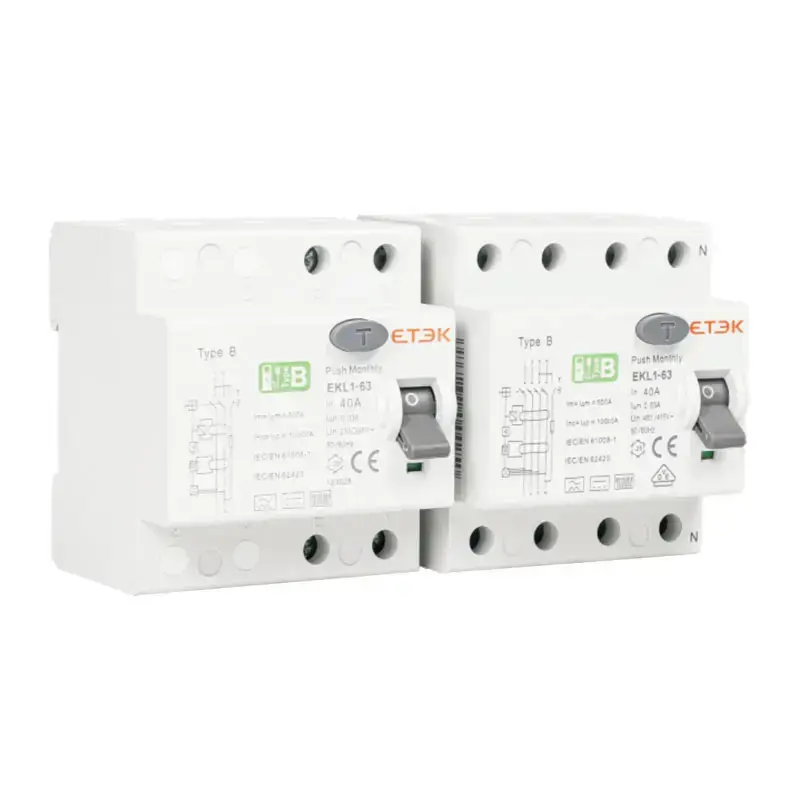
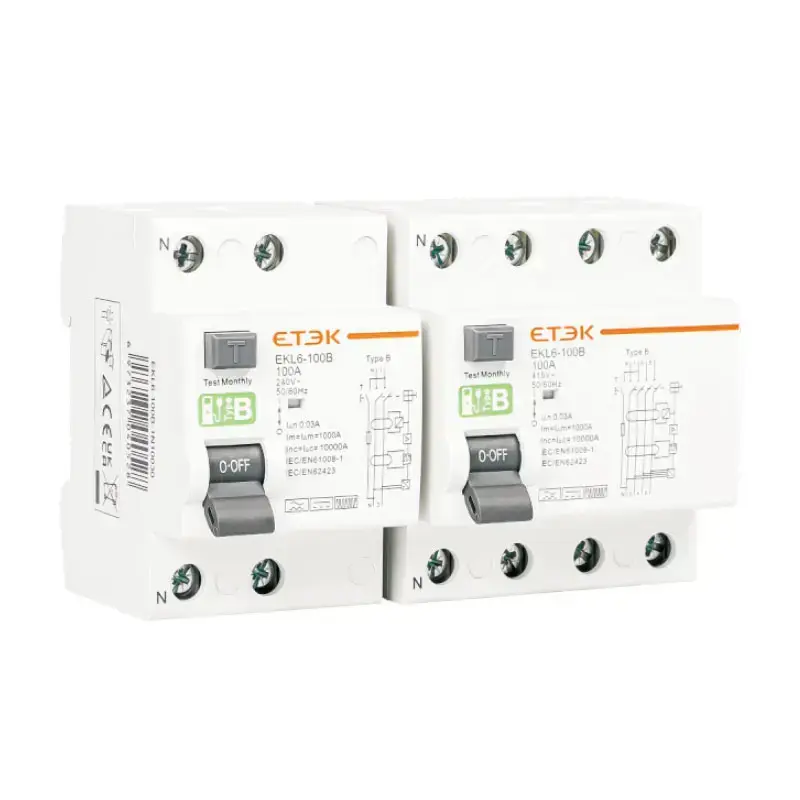
Below is a practical single-line reference you can adapt to your local code requirements and site constraints. It’s intentionally simplified to help teams align quickly.
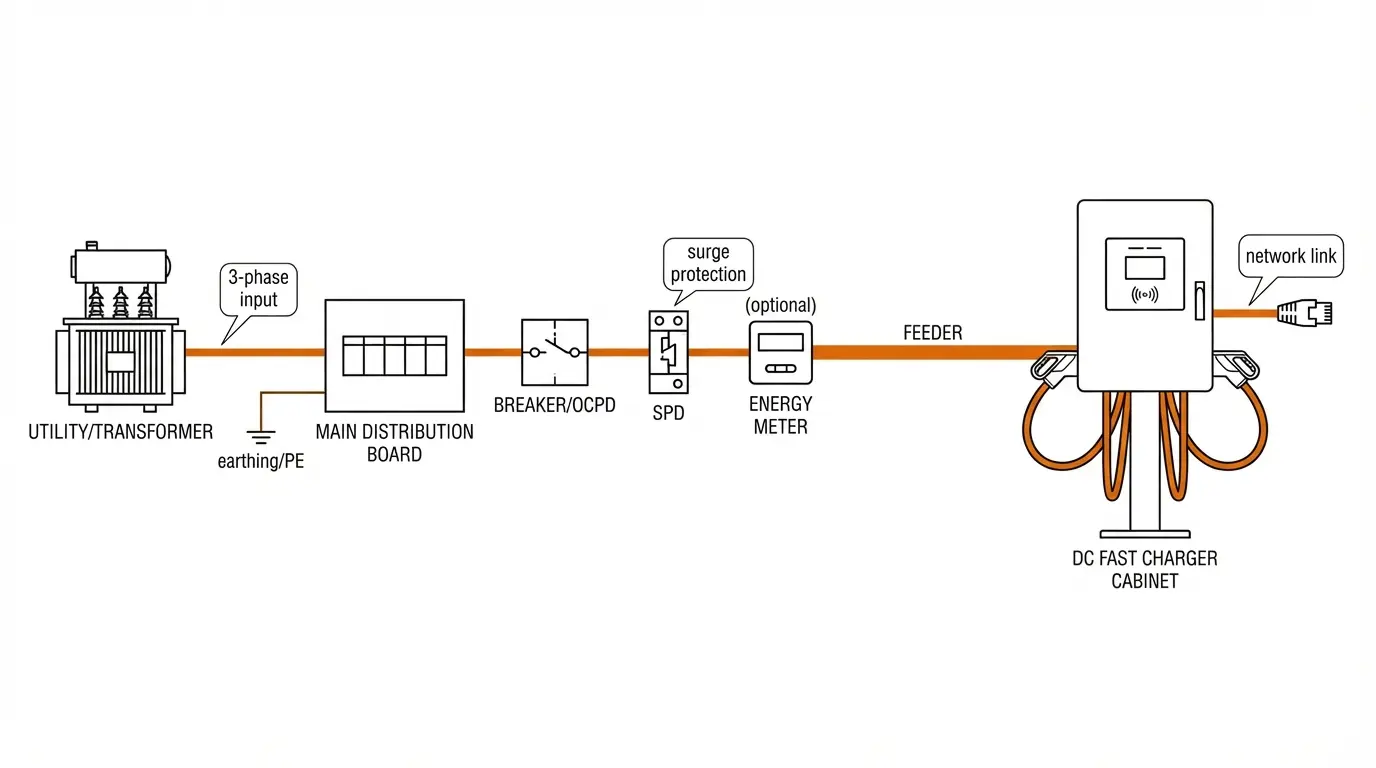
For compact DC fast chargers like EKDC1, typical deployments reference a 3-phase input range and include multiple electrical protection functions, plus Ethernet/4G/Wi-Fi connectivity options: EKDC1 Technical Data.
5) Commissioning tests that prevent call-backs
A “plug in a car and see it charge” check is not enough. Commissioning should include repeatable tests that reveal hidden faults. Fluke summarizes five critical EVSE commissioning tests including control signal checks, insulation resistance, ground fault verification, load simulation/voltage drop considerations, and connectivity checks: 5 Critical Tests to Perform After Commissioning an EVSE.
- Insulation resistance: catch wiring damage and moisture paths early.
- Ground/earthing verification: poor PE causes safety issues and unstable operation.
- Protection function verification: confirm protective behavior (not just “present on paper”).
- Connectivity test: confirm stable network and backend handshake (OCPP or cloud), not just local UI.
- Session repeatability: run multiple start/stop cycles and record results.
For a broader inspection mindset (visual inspection + electrical system inspection + standard-aligned testing), see: Comemso Quick Guide and Checklist for Inspecting Charging Stations.
6) OCPP handover checklist (operator-ready)
Modern DC chargers are deployed as a networked asset. If OCPP onboarding is unclear, you can end up with a “working charger” that is invisible to the operator. OCPP backend guides often stress WebSocket connectivity, URL formatting, TLS/cipher compatibility, and restart/registration steps: Understanding OCPP: Setting Up and Troubleshooting OCPP Chargers.
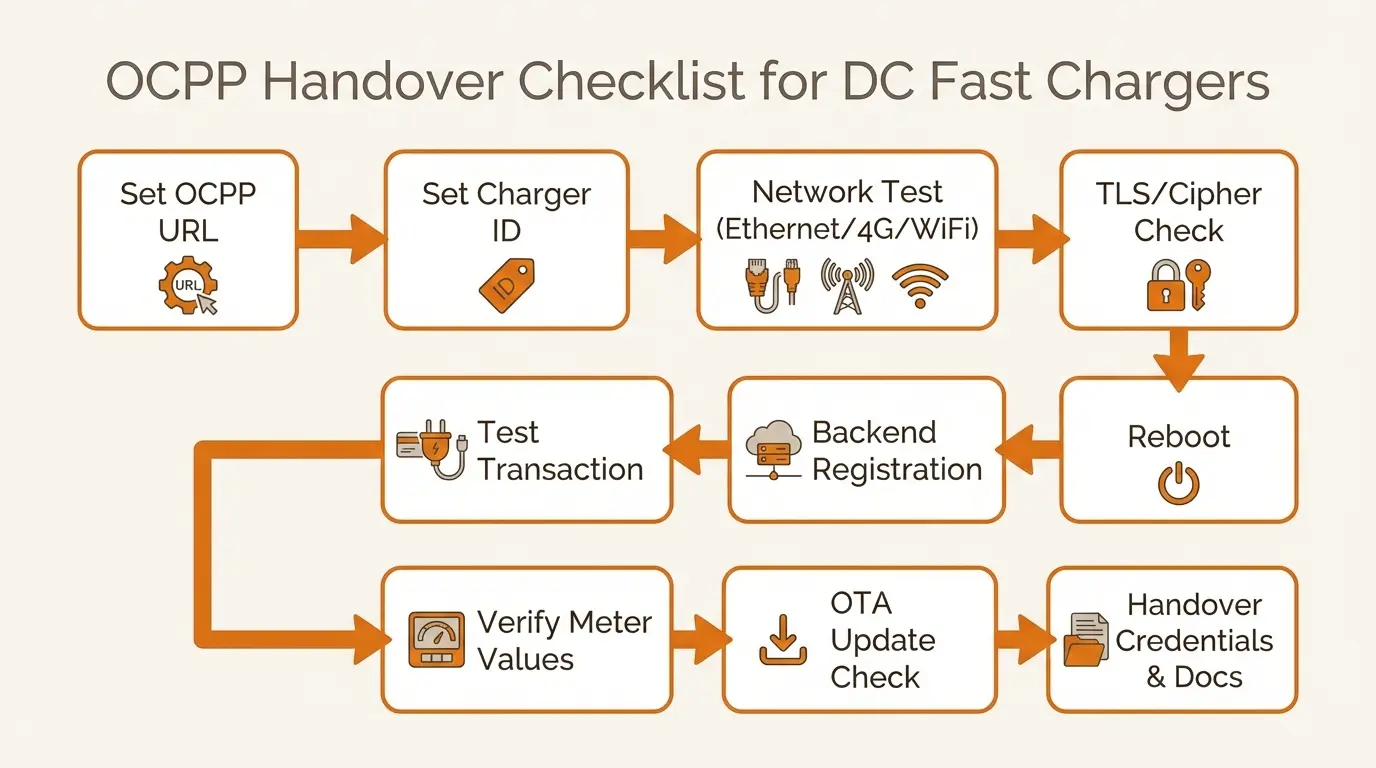
Operator tip: define a “handover acceptance test” with your installer (one successful transaction is not enough). Require logs/screenshots, meter values, and a firmware/OTA check.
7) Common installation mistakes (and how to avoid them)
- Wrong expectations for dual outputs: dual-gun chargers may share power when both guns charge; clarify the behavior in procurement and commissioning.
- Skipping surge/earthing design: this can destroy power electronics and cause random failures, especially in outdoor sites.
- Network “looks OK” but fails in operations: test real backend messages, not only Wi-Fi signal strength.
- No documentation pack: without photos, as-builts, and test results, warranty and maintenance become slow and expensive.
A competitor example shows how vendors present installation routing and network interface expectations (bottom inlet wiring, Ethernet/4G/Wi-Fi, OCPP positioning): BENY 40–60kW dual-gun wall/floor DC charger page. Use it as a structure reference, not as a spec source for your project.
8) What to include in an RFQ to reduce deployment risk
- Site one-line: attach your site’s simplified single-line (or require the supplier to propose one).
- Network constraints: OCPP URL, TLS requirement, SIM responsibility, firewall/whitelisting.
- Commissioning acceptance: define tests and deliverables (photos, logs, results sheet).
- Documentation: certificates/test reports required by your target market, plus warranty terms.
For compact 20–60kW deployments and inquiries, start here: Send Inquiry for EKDC1 20–60kW or Contact ETEK.
Sources
- ETEK: DC Fast EV Charging Station category
- ETEK: EKDC1 20–60kW (profile + technical data)
- ETEK: EKDC2 60–400kW (profile + technical data)
- Fluke: 5 critical EVSE commissioning tests
- Comemso: inspection checklist overview (EVSE testing)
- Ampcontrol: OCPP setup & troubleshooting guide
- BENY: 40–60kW dual-gun DC charger page (structure reference)
- JointCharging: DC fast charger overview (structure reference)