AC EV Charger Selection Guide for Home Commercial
Quick overview
Selecting the right EV charger is not only about kilowatts. A good choice balances charging speed, electrical safety, installation conditions, and future expansion—especially for workplaces, retail parking, fleets, and public destinations.
If you want to browse ETEK’s EV portfolio first, start from the official category: EV Charging Station. For a quick, practical article on what to consider when choosing a charger, see: How to Choose an EV Charger.
Home vs commercial requirements
Home charging priorities
- Stable daily charging (overnight), simple user experience, and safe electrical protection.
- Right-sized power to match the home supply and wiring—higher power is not always better.
- Convenient mounting and cable management for garages or outdoor walls.
Commercial charging priorities
- Operational uptime, multi-user management, and load balancing across multiple charge points.
- Smart back-end connectivity (often required for billing, access control, and monitoring).
- Serviceability: modular design, clear fault reporting, and easier maintenance access.
Power, phases, and connectors
Start with the charging scenario and local electrical infrastructure. Typical AC charging decisions include:
- Power level: choose a practical kW that fits your supply capacity and cabling.
- Single-phase vs three-phase: match what your site can provide.
- Connector ecosystem: many markets use Type 2 for AC charging; confirm compatibility with your vehicles.
- Mounting form: wall-mounted for homes and light commercial; pedestal/ground-mounted for shared parking.
If you need a simple explanation of the charging process (AC to vehicle charging behavior), ETEK also has a helpful primer: How do EV chargers work?
Smart features and OCPP
For commercial use, “smart” often matters more than raw power. Consider:
- OCPP compatibility: enables interoperability with many charging management platforms.
- Access control: RFID or other methods to manage who can charge.
- Dynamic load balancing: protects the site’s main supply by adjusting charging power.
- Connectivity options: choose what fits your deployment environment and IT policy.
Safety and protection checklist
EV charging is a continuous, high-power load. Electrical protection must be designed for people safety and equipment reliability. When planning a charger installation, review:
- Residual current protection: select appropriate RCD/RCCB/RCBO strategy based on charger design and local code.
- Overcurrent protection: correctly rated MCB/RCBO and proper cable sizing.
- Surge protection: SPDs can help reduce downtime and damage from transient overvoltages.
- Enclosure and environment: IP rating, temperature, and placement to avoid water ingress and overheating.
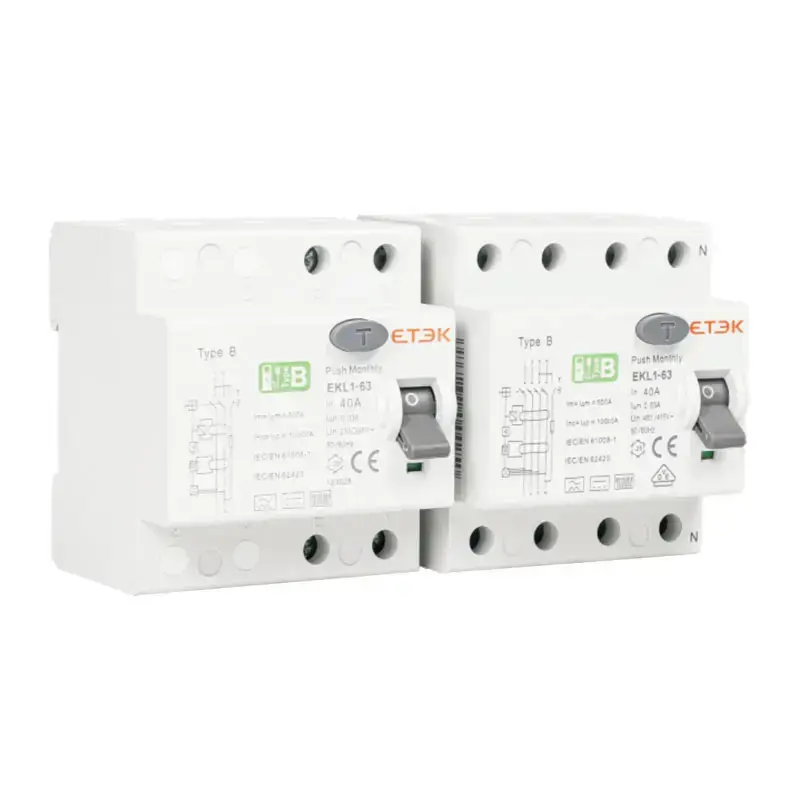
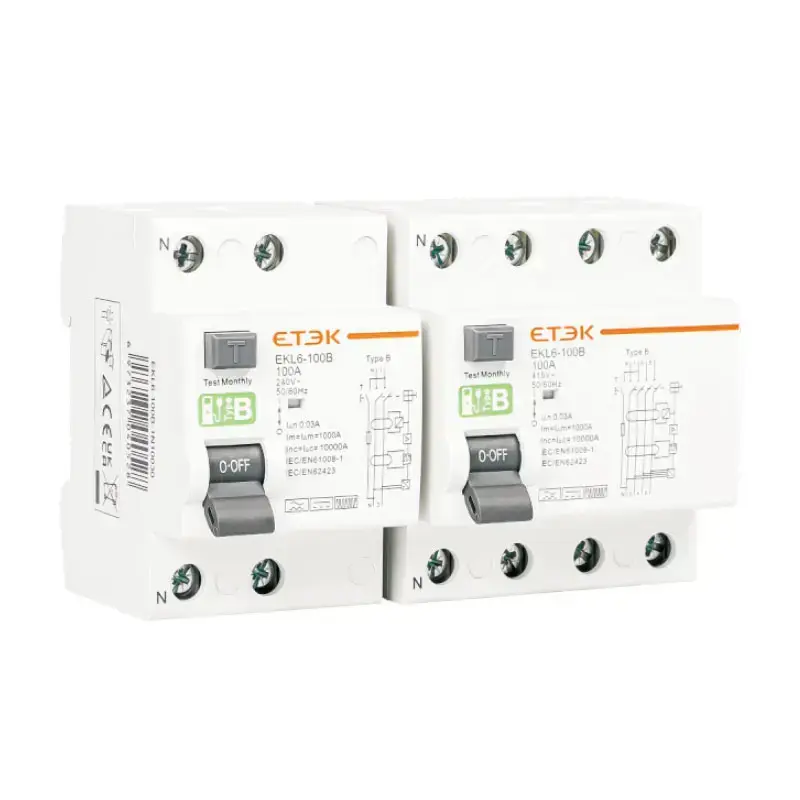
ETEK provides supporting electrical protection product families commonly used in charging installations, including: RCBO, RCCB, and Surge Protection Device.
Installation and site planning
Before installation
- Verify supply capacity and expected simultaneous charging load.
- Decide placement for cable reach, parking layout, and user convenience.
- Plan conduit routing, grounding/earthing, and service access.
After installation
- Commissioning tests, insulation/ground checks, and functional verification.
- Set operating limits (especially on multi-charger sites) to reduce nuisance tripping.
- Schedule periodic inspection and tightening, especially for commercial locations.
ETEK product recommendations
Below are three representative ETEK options (AC home/commercial plus DC fast charging). Each image links to the official product page.
Option 1: Smart AC wall charger for home & light commercial
A smart AC unit is a great fit for residential buildings, offices, and retail parking where reliability and user experience matter.
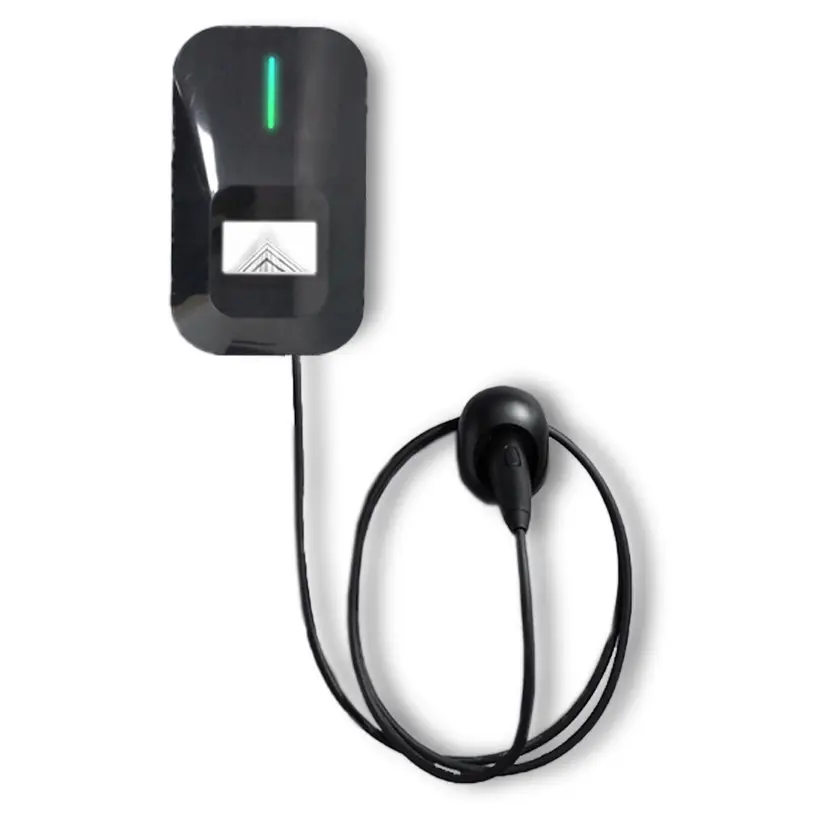
Learn more: EKEC7 AC EV Charger.
Option 2: Dual-gun AC charger for shared parking
For parking lots with higher turnover, a dual-gun configuration can improve utilization and simplify site deployment planning.
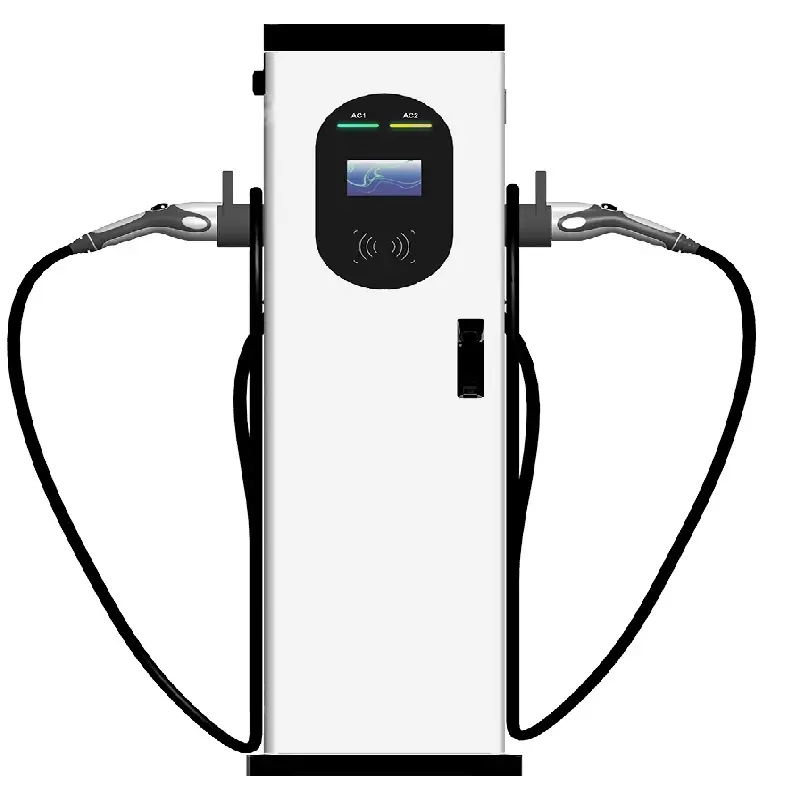
Learn more: EKEC9 Dual Gun AC EV Charger.
Option 3: Compact DC fast charger for rapid turnaround
For fleets and sites needing faster charging sessions, DC fast charging helps increase daily vehicle throughput.

Learn more: EKDC1 20–60kW DC Fast Charger.
For a complete overview of ETEK’s charging solutions and accessories, visit: EV Charging Station. If you want help selecting a model for your project, prepare your target power, installation type (wall/pedestal), and whether OCPP is required, then submit an inquiry via the product page.
FAQ
What power rating should I choose?
Choose the highest practical power that your supply and wiring can support safely, but don’t oversize. For many users, stable overnight charging is more valuable than peak power that triggers upgrades.
Do I need OCPP?
If you operate multiple chargers, need billing, user management, or remote monitoring, OCPP is often the easiest path to platform flexibility and long-term manageability.
Which is better for a parking lot: single charger or dual-gun?
Dual-gun designs can improve utilization where two vehicles frequently park nearby and charging sessions overlap, but you should plan power distribution and operational rules to avoid site overload.