EV Charger Accessories Buyer’s Guide (B2B): What to Stock Specify
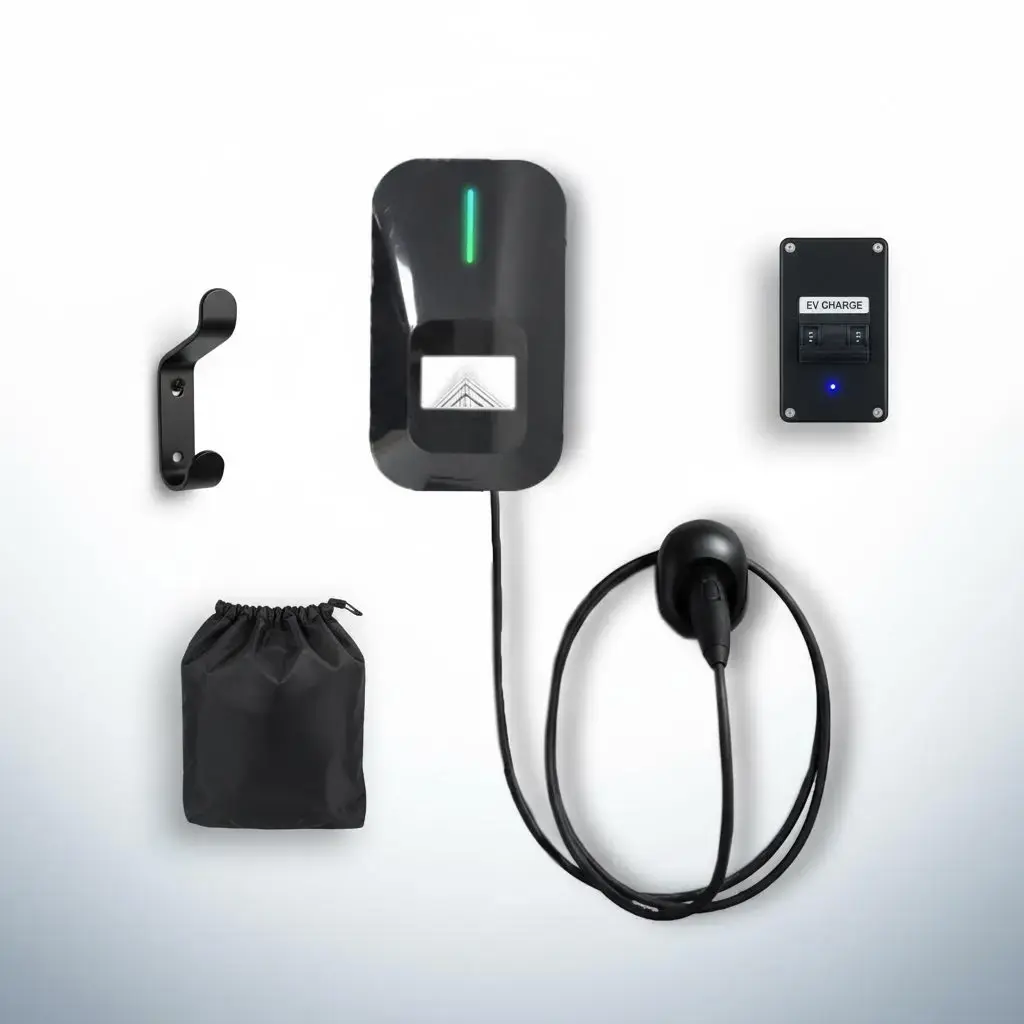
If you sell or integrate EV charging equipment internationally, “accessories” are often where projects succeed or fail. The charger may be certified and feature-rich, but a mismatch in connector standard, cable rating, or protection device can trigger commissioning delays, returns, and unhappy end users. This guide is written for EPCs, installers, and distributors who want a practical, spec-first approach to choosing EV chargers and the accessory ecosystem that supports them.
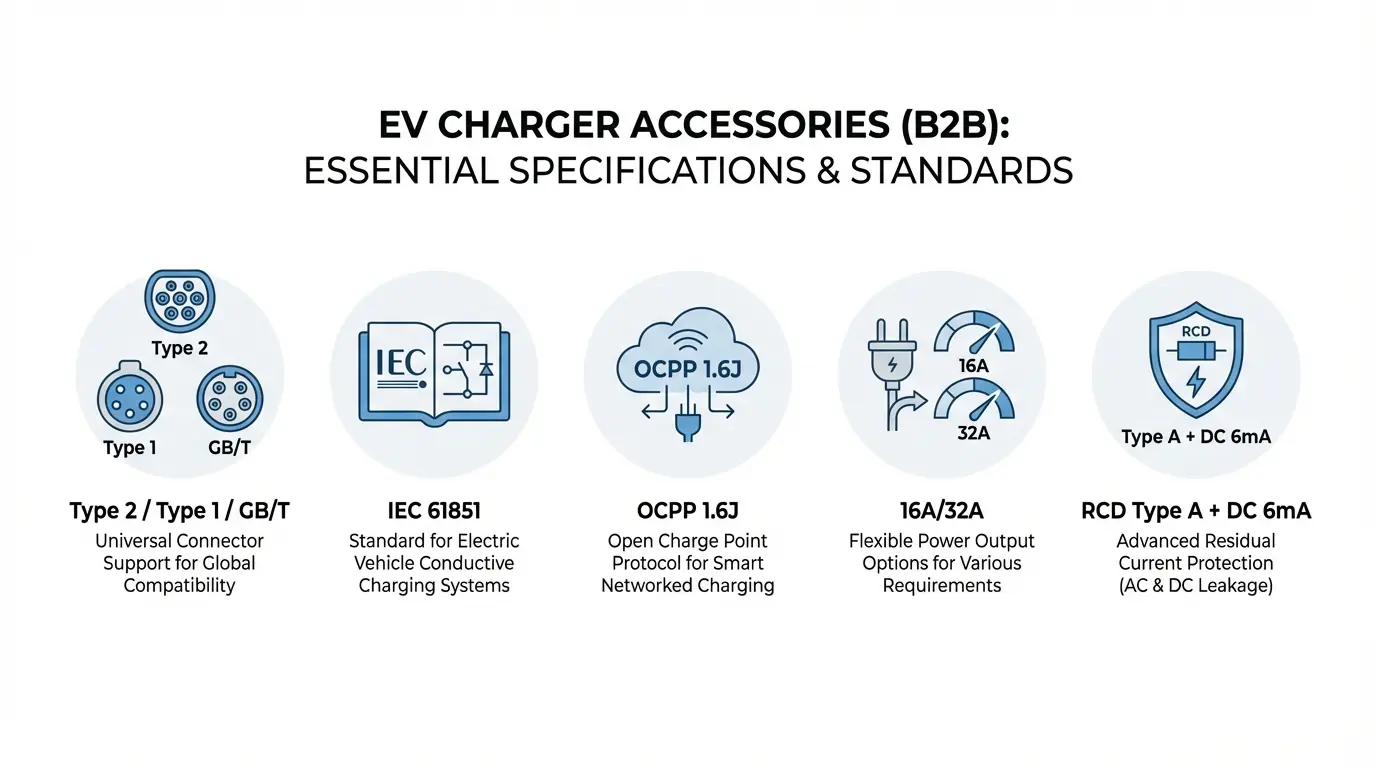
What counts as EV charger accessories?
In B2B procurement, EV charging accessories usually include:
- EV charging connectors and cables: Type 2 / Type 1 / GB/T plugs and sockets, tethered cables, extension solutions (where allowed).
- Adapters: for controlled use cases (e.g., Type 1 to Type 2 adapter) when the scenario is compliant and clearly communicated.
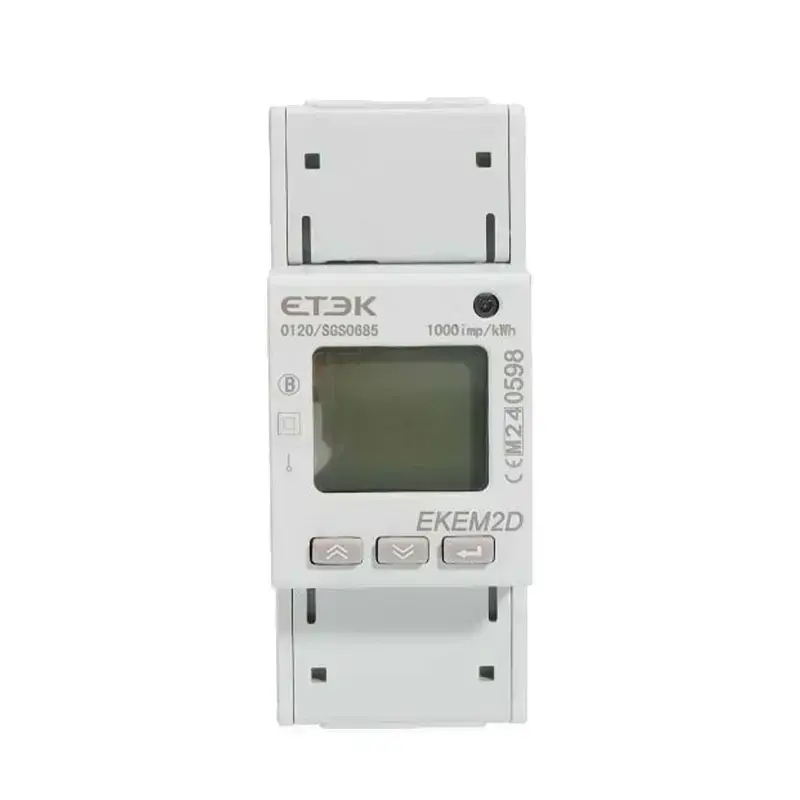
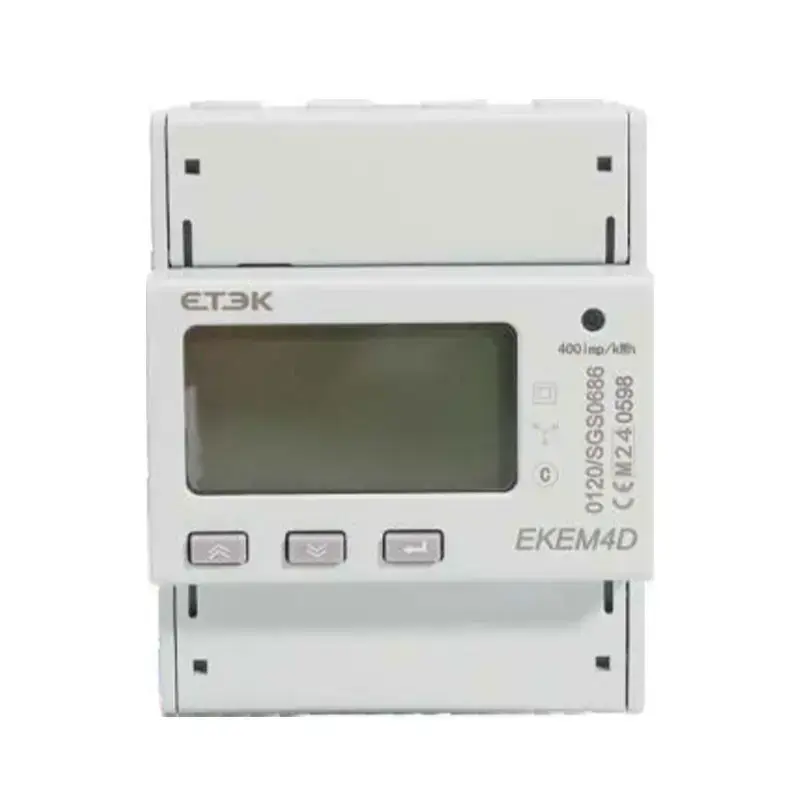
- Charging station controllers and components: controller boards, contactors, metering modules, communications modules.
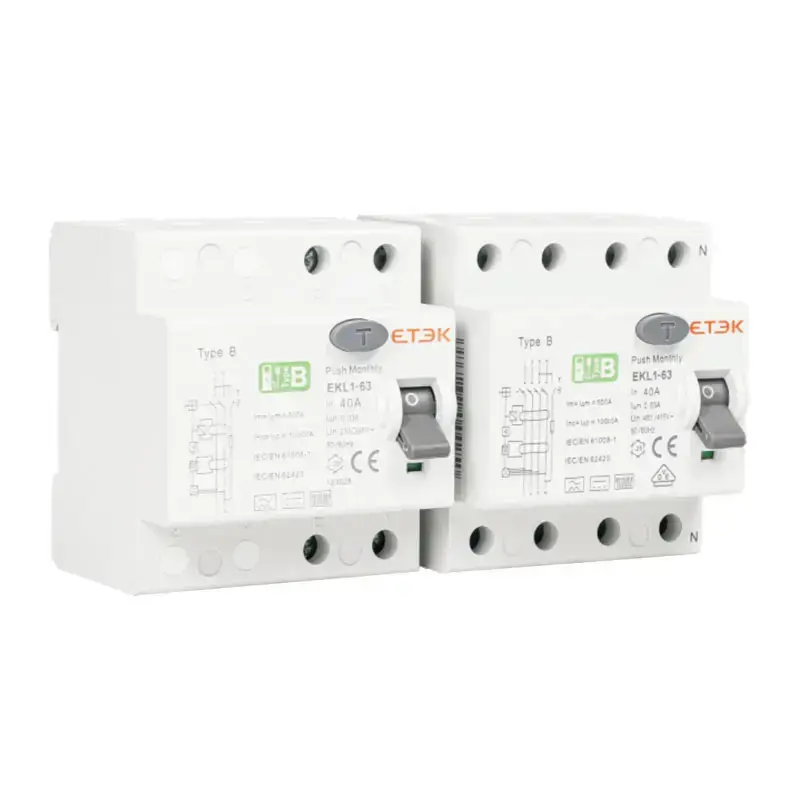
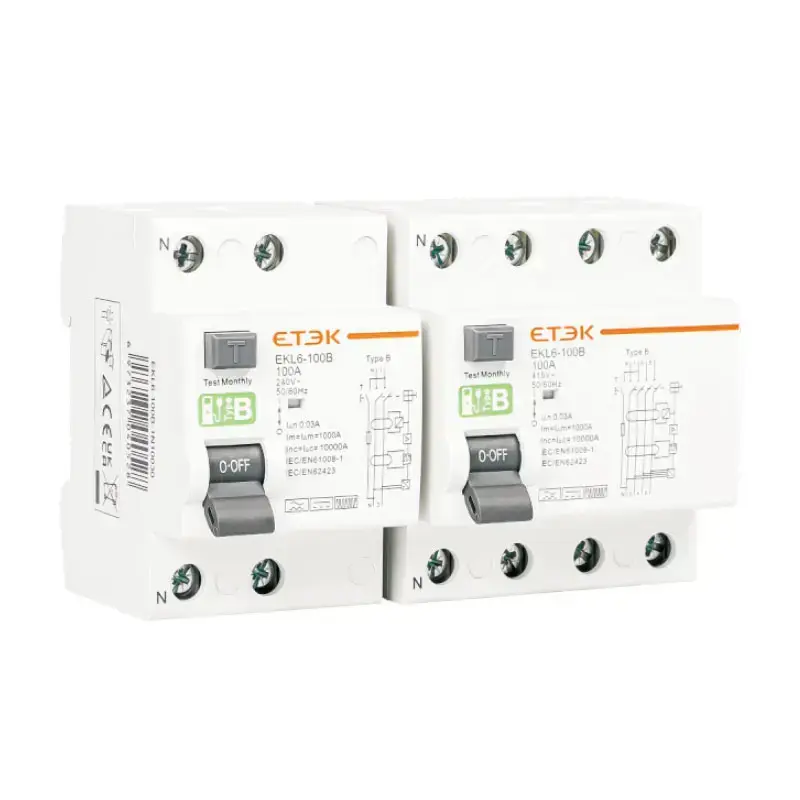
- Electrical safety devices: RCD/RCCB/RCBO selections for EV charging, and coordination with upstream MCB/overcurrent protection.
- Installation hardware: mounting options, cable management, glands, and enclosures (project-dependent).
A good “accessory strategy” does two things: (1) it reduces on-site uncertainty, and (2) it improves repeat orders because installers know exactly what to specify. For a category overview, see ETEK’s EV charging station product range.
Start with standards: connector types & markets
Before discussing SKU choices, define your target markets and connector standards. In practice, most “wrong purchases” are not due to power rating—they’re due to incompatible connectors.
- Type 2 (IEC 62196-2): common for AC charging in Europe and many export markets.
- Type 1 (SAE J1772): common in North America and Japan for AC charging.
- GB/T: common in China; often relevant for cross-border fleets and adapter scenarios.
For AC chargers and accessories, make sure your documentation clearly states connector types and whether the station is socket version or tethered cable version. ETEK’s AC charger lineup is organized here: AC EV Charger.
Cables, plugs, and sockets: how to choose
Cables and connectors look simple, but buyers should confirm a short list of parameters every time. These factors determine charging speed, usability, and durability:
- Current rating: common selections include 16A and 32A; match the charger output and the installation circuit.
- Phase: single-phase vs. three-phase affects both cable selection and the charger model choice.
- Cable length and jacket material: for outdoor installations, abrasion and temperature performance matter.
- Connector standard & mechanical quality: insertion cycles, contact resistance, and ergonomics affect long-term maintenance.
When stocking “high-mix, fast-moving” accessories, it’s often better to keep a compact, global-ready portfolio: a small set of Type 2 plugs/cables and a few carefully selected adapters for defined scenarios. ETEK’s connector and cable category is here: EV charging cable, plug and socket.
Adapters: when they are appropriate (and when not)
Adapters can solve real compatibility problems, especially for cross-border vehicles and mixed fleets. But in B2B projects, adapters must be treated as a controlled solution, not a default. Use them when the installation is otherwise correct and the adapter is a deliberate, documented part of the user workflow.
Typical adapter procurement questions:
- Who will use it? End users, fleet staff, or installers? The answer changes training and labeling requirements.
- Which direction? Type 1 to Type 2 is different from Type 2 to Type 1; avoid ambiguous SKUs.
- Rated current and voltage: match the real charging current, not just “it fits.”
Smart charger features that affect accessory selection
Accessories are not only mechanical items; they must align with how the charger is operated. For smart deployments, the most common requirement drivers are:
- OCPP compatibility: for remote monitoring and operation (common for commercial networks).
- RFID / App start: affects commissioning, user access control, and service workflows.
- Connectivity: WiFi/4G/Ethernet options determine installation planning and troubleshooting procedures.
- Load management: for multi-charger sites, load management (static/dynamic) impacts how you specify meters, controllers, and power sharing rules.
If you’re planning multi-point charging, a useful conceptual framework is the “static vs dynamic load management” distinction. (See the reference reading in the sources section for a competitor’s overview; we use it for terminology alignment rather than copying.)
Safety & protection: RCD, upstream devices, and wiring
For EPCs and installers, protection coordination is where hidden project risk lives. Many tenders require clear guidance on residual current protection and upstream circuit protection. In EV charging, DC leakage considerations are especially important.
- Residual current protection strategy: project requirements vary, but a common approach is Type A RCD plus DC 6mA detection (or an equivalent integrated solution), aligned to the charger design and the local code.
- Upstream MCB/RCBO selection: confirm breaking capacity and curve type per installation design; ensure coordination with the charger’s internal protections.
- Earthing and wiring: correct PE continuity and tidy routing reduce nuisance trips and improve safety diagnostics.
ETEK provides EV charger protection devices here: EV charger RCDs.
Procurement checklist for EPCs & distributors
- Market fit: confirm target region connector standard (Type 2 / Type 1 / GB/T) and installation style (socket vs tethered).
- Power plan: single-phase vs three-phase, and typical outputs (e.g., 3.6/7.4/11/22kW for AC).
- Protocol & operations: OCPP requirement, RFID/App access control, connectivity options.
- Safety: residual current strategy and upstream protective device coordination.
- Serviceability: clear labeling, spare parts strategy, predictable SKUs for repeat purchases.
- Documentation: datasheets, wiring guidance, certificates for your market.
Featured ETEK EV charging products
Below are three commonly requested items to anchor a practical EV charging accessories portfolio. Click each image to view details.
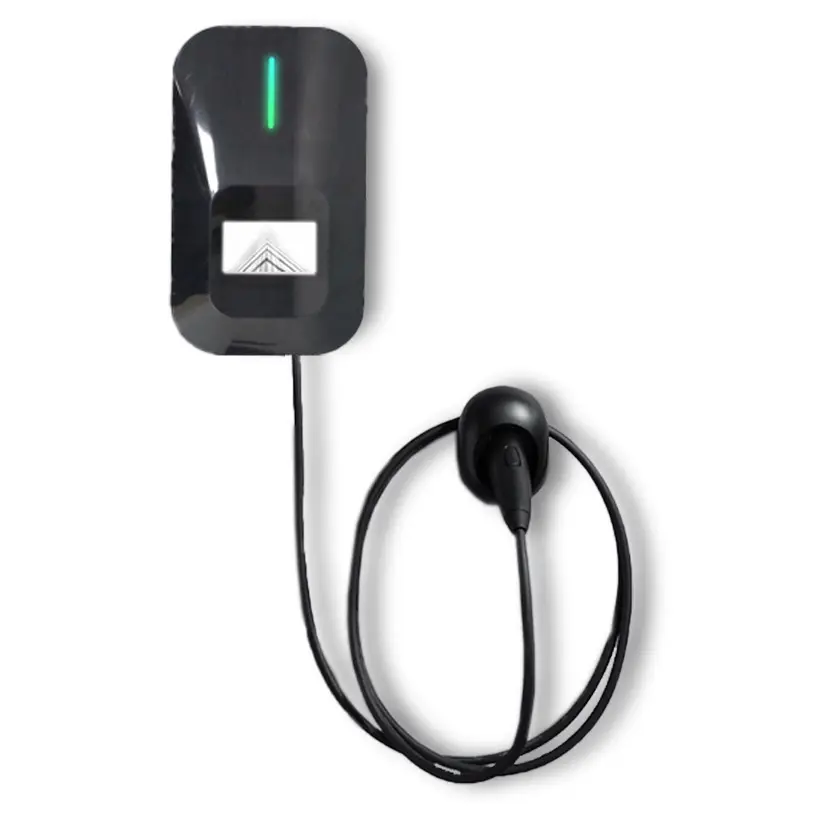
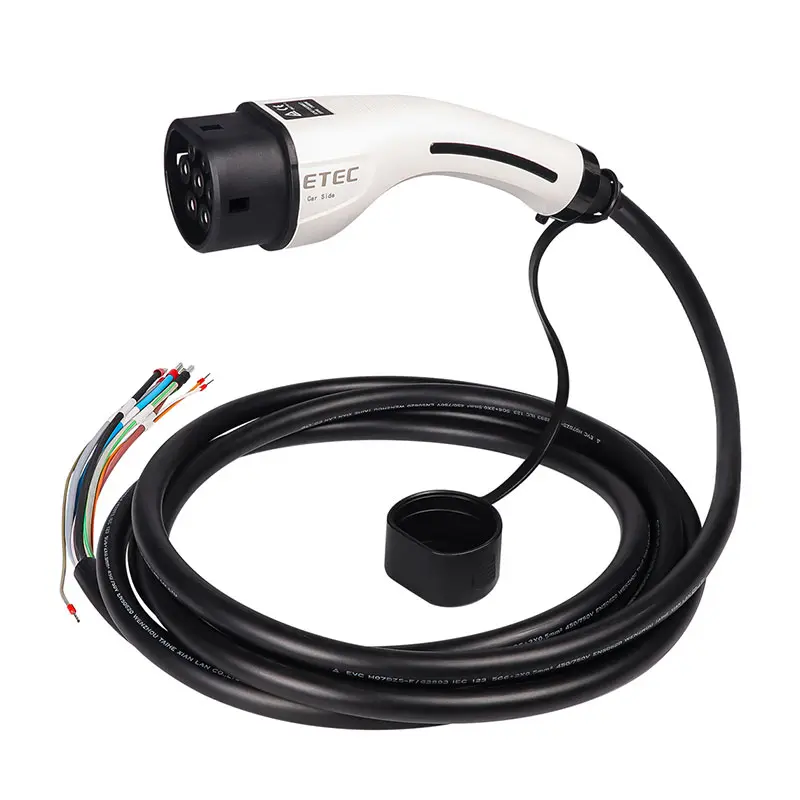
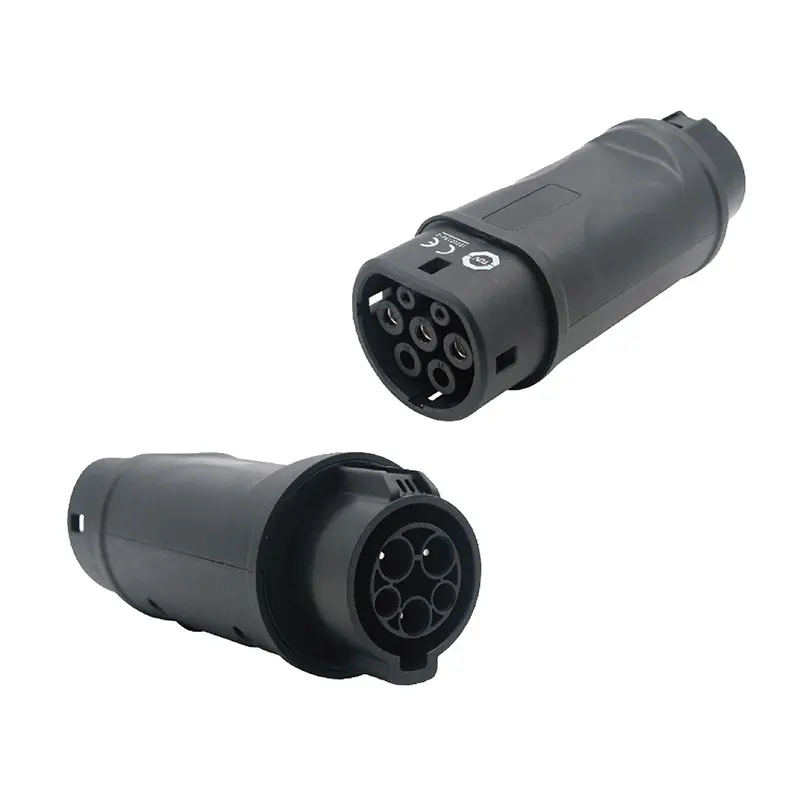
Explore more categories: EV charging station, AC EV charger, DC fast EV charging station, EV charging cable/plug/socket, EV charger RCDs. If you’re sourcing for distribution or EPC projects, send your target market and connector standard—we can help match the right models.
FAQ
Which accessories should I stock first for international projects?
Start with the connector standard your customers actually deploy (Type 2 vs Type 1 vs GB/T), then add a small set of high-demand cables/plugs at the right current ratings. After that, add controlled adapters and protection devices aligned to your charger installation requirements.
Do I need OCPP for every EV charging project?
Not always. For single-user residential deployments, OCPP is often unnecessary. For commercial networks, OCPP is frequently requested because it simplifies remote monitoring, billing integration, and fleet operations.
Are adapters always acceptable?
Adapters can be appropriate for defined scenarios, but they should not be used to “patch” a mismatched design. For B2B deployments, document the use case, rating, and user workflow clearly to reduce risk and support requests.
Sources used for terminology alignment: